Join World's Fastest Growing B2B Network
Join World's Fastest Growing B2B Network



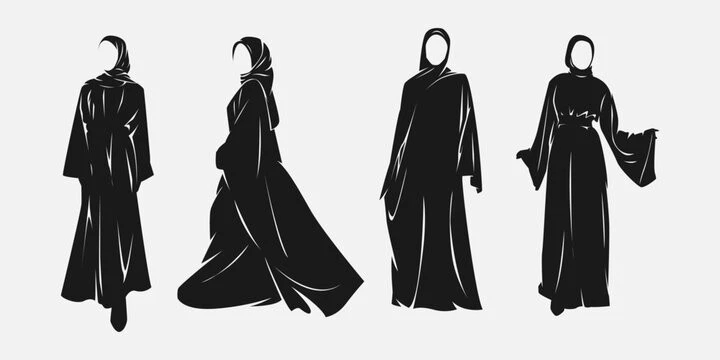
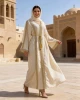
The clothing industry is one of the rapidly growing ones. It deals with various apparel, and under it comes multiple niches. One of the fastest-growing clothing niche products is Islamic clothing. This marketing is setting up some major trends and goals for Muslim consumers, offering comfort with style with modest wear, such as abayas, hijabs, thobes, etc. The Islamic clothing market is a billion-dollar one. It has a strong influence on the global apparel market revenue.
The best thing is that the Islamic clothing market doesn't just serve Muslim-majority countries but is also gaining popularity in the Western world as well where women are adopting modest fashion for personal, cultural, or religious reasons. Regions like the Middle East, south Southeast Asia, North America, and Europe are seeing high demand in the Muslim clothing market. It has opened the doors for various business opportunities as well. New brands and startup businesses are taking advantage of this industry's benefits and flourishing their businesses globally.
This blog is all about the Islamic clothing market online, the current trends, challenges, and opportunities it offers for global entrepreneurs.
According to “The Business Research Company,” the Islamic clothing market generated a revenue of 79.61 billion USD in 2024. In 2025, the market size of Islamic clothing is expected to grow by 7.1% CAGR, making it an 85.28 billion USD market by the end of the year. The market is expected to grow further; by 2029, it is expected to become a 111 billion USD market with a CAGR of 6.8%.
The following factors will contribute to the growth of the Islamic clothing market: online retail, rising ethical fashion, increasing tourism, pilgrimage, and growth of the halal market.
If you want to kickstart your modest clothing business, knowing the division and segmentation of Islamic clothing is essential. It enables you to decide which products you should start your business with or what products you can add to your product line to expand your business.
|
Main Segment |
Sub-Segment/Details |
|
By Type |
Abayas and Hijabs, Prayer Outfits, Burkha and Naqaab, Thobes and Jubbas, Sportswear, Other Types |
|
Abayas and Hijabs |
Traditional Abayas, Modern or Designer Abayas, Hijabs |
|
Prayer Outfits |
Women’s Prayer Wear, Men’s Prayer Wear |
|
Burkha and Naqaab |
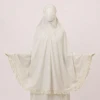
Full-Body Burkhas, Niqab (Face Veil) |
|
Thobes and Jubbas |
Men’s Thobes, Men’s Jubbas, Women’s Thobes |
|
Sportswear |
Modest Sportswear, Modest Swimwear |
|
Other Types |
Islamic Fashion Accessories, Modest Dresses and Skirts |
|
By Application |
Men, Women, Kids |
|
By Distribution Channel |
Online, Offline |
Let's explore the most popular Islamic clothing trends going on the market.
Earlier, before the digital revolution, people were not aware of other cultures and religions' attires, but now everything is an open book, all thanks to digitalization.
With the growing popularity of Muslims beyond Muslim-majority countries, the demand for modest fashion has also reached across borders as well. Even if people don't wear Islamic clothes for religious purposes, they wear them to experience and promote different cultural attires, irrespective of religion. Various major global brands, like Dolce and Gabbana, H&M, etc, have introduced modest clothing collections to help customers go beyond any boundaries regarding clothing.
Digital Transformation & E-commerce Boom
Online Islamic clothing brands are effectively working to promote these clothing items globally. Brands like Modanisa and Haute Elan are some of the top brands that sell online worldwide through their websites. Social media platforms play an essential role in brand promotions as influencer marketing is at its peak. This has enabled customers to purchase these clothes, giving rise to the women's Islamic clothing market.
Sustainability in Modest Wear
The most followed trend in the Islamic clothing market is eco-friendly, breathable, and pastel-colored clothes for women, especially as these clothes combine ethical clothing with modesty.
Regional Trends: Who’s Leading?
Middle East, Southeast Asia, Europe, and North American countries are rapidly adopting modest Islamic clothing trends.
There’s a high demand for customized abayas, occasion wear, and branded hijabs in Arab countries like Saudi Arabia.
Offline shopping is still popular, but e-commerce is rapidly growing, especially post-COVID. In various countries from the Southeast Asian region, consumers are price-conscious but value fashion and innovation.
Consumers look for inclusive, high-quality, and ethically made clothing in European countries.
Consumers from South Asian countries like Pakistan and Bangladesh value affordability, comfort, and local identity in clothing.
The Islamic fashion market is growing fast but faces some significant challenges. One major issue is that modesty means different things in different cultures. What’s modest in Indonesia might not be modest in the Middle East. This makes it hard for brands to design clothes that work everywhere.
Another problem is finding good fabric and reliable manufacturers that are affordable and eco-friendly.
Brands also have to be very careful with marketing. A small mistake in how they present Islamic culture can upset customers and hurt their reputation.
On top of that, there’s tough competition from fast fashion and local stores. These challenges make it harder for new and small brands to grow and succeed.
The size of the hijab and Islamic clothing market is increasing daily. If you work on starting your business in this industry now, you will be able to enjoy the fruit of your efforts in the future.
Private Label and Custom Modest Brands
As the modest clothing industry expands, the demand for women's clothing is increasing, and women worldwide are looking for modest clothes that offer style, comfort, and some personal value. Private labels and customized abayas, loose garments, and hijabs are in high demand. Suppose you want to cater to personalized Islamic clothing. In that case, you need to do this business based on customer preferences from different countries, as each country has its Islamic clothing style that they like with cultural values attached.
Tech-Driven Innovation
Tech-driven innovation has played a significant role in the expansion of every industry. Regarding Islamic clothing technology, tools like virtual try-ons and AI sizing help customers shop online more easily. Now, through advanced technology, you can choose the color and design and try on the hijab online before purchasing.
Wholesale and B2B Export Growth
Islamic country manufacturers can export high-quality Islamic clothing products to the international market through online B2B trading platforms.
Tradewheel.com is a reliable online B2B trading platform where sellers can access the vast buyer's directory with just a few clicks. Here, manufacturers can communicate one-on-one with potential customers worldwide and seal profitable deals related to Islamic clothing with them. Depending on your production capacity, you can choose whether to serve small or medium-sized businesses or established enterprises, as you will find all business sizes in this marketplace.
EC21 and Alibaba are other genuine online B2B e-commerce platforms where you, as a seller, can create your business account and sell your products globally. Ensure you offer high-quality products with sample product options, as this will build customer loyalty and trust in your brand and increase your business's customer retention rate.
All these platforms are easy to use and equipped with advanced tools and features to help you manage your business as a seller and buyer. The best thing is that sellers can also become buyers and vice versa, as these platforms enable you to buy and sell products per your requirements without any restrictions.
The tips below will help you enter and maintain a positive image in the Islamic fashion industry.
1_Sellers should decide on the country and region where they will sell Islamic clothing. They should learn about that specific region's culture and clothing preferences and then design and offer products according to the demand of the customers from that region.
2_Choose the right distribution channel based on your business model. If you sell products in the B2C market, use platforms like Amazon, eBay, etc. If you want to sell in bulk and at wholesale prices, choose online marketplaces like Tradewheel.com. If you offer luxurious abayas and clothing items, sell your products to boutiques, exclusive pop-ups, or premium e-commerce websites to increase sales.
3_Collaborate with modest fashion influencers through Instagram, Facebook, TikTok, etc. These channels will help you promote your business and build your customer trust.
4_Branding should reflect diversity, authenticity, and inclusion to build long-term trust. This means showing a wide range of women in your campaigns, including different ethnicities, body types, and levels of modesty. Buyers today want to support brands that truly understand and respect their identity, not just chasing profits.
If you are new to the clothing business and are exploring which niche product to sell, this blog is for you. We have discussed Islamic clothing in detail here, including its market size, business opportunities, trends, challenges, and other things you need to know before entering this industry. So keep on reading and expand your business horizons.
As of 2025, the global Islamic clothing market is worth over $400 billion. This includes a wide range of modest clothing such as hijabs, abayas, thobes, burkhas, and sportswear designed for Muslim consumers. The market keeps growing yearly as more people look for modest yet stylish fashion choices.
Countries with large Muslim populations buy the most Islamic fashion. These include:
1_Indonesia – the largest Muslim country in the world
2_Saudi Arabia and other Gulf countries (UAE, Qatar, Kuwait)
3_Turkey, Pakistan, and Iran
4_Malaysia and Egypt
5_The UK, France, and the USA also have strong markets due to their Muslim communities and growing demand for modest wear.
1_Research your target audience. Understand the style, culture, and modesty preferences.
2_Design your products. Start with abayas, hijabs, long dresses, or modest sportswear. Focus on selling one product initially and gradually introducing new products to customers.
3_Choose a genuine supplier or manufacturer. Look for quality and affordable production partners. Platforms like Tradewheel.com enable you to network with global suppliers and manufacturers offering Islamic clothing that is trending and high in demand. You also have various options to choose from.
4_Create an online store or social media page. Platforms like Shopify, Instagram, and FaceBook are great for reaching customers.
5_Promote your brand. Use influencer marketing strategies to gain customers' trust.
6_To grow your brand, offer quality, respect cultural values, respond to customer feedback promptly, and always take constructive criticism seriously.
Serving millions of Buyers & Sellers around the world
Join Free 28-Jun-2024
To meet the diverse needs of Muslim individuals, designers around the world are adopting unique styles and stunning collections to highlight the importance of Islamic clothing. Dress styles and practices vary by region and culture, but they all have

One moment please
 Browse Through Millions of High-Quality Products.