Join World's Fastest Growing B2B Network
Join World's Fastest Growing B2B Network




The global demand for investment-grade gold bars continues to grow as businesses and investors seek reliable assets. This trend has created new opportunities for companies that want to enter the precious metals sector. A well-managed bullion trading business can serve wholesale buyers and institutional clients across different regions.
Many entrepreneurs choose this market because gold remains a trusted store of value. There are opportunities in wholesale distribution, institutional trading, and international supply networks. Businesses can also connect with gold bar suppliers and buyers worldwide through established trade channels.
This blog is helpful for precious metals entrepreneurs, commodity traders, wealth management firms, bullion dealers, import export companies, and institutional investors. The following steps explain how to build a professional gold trading operation from planning to execution.
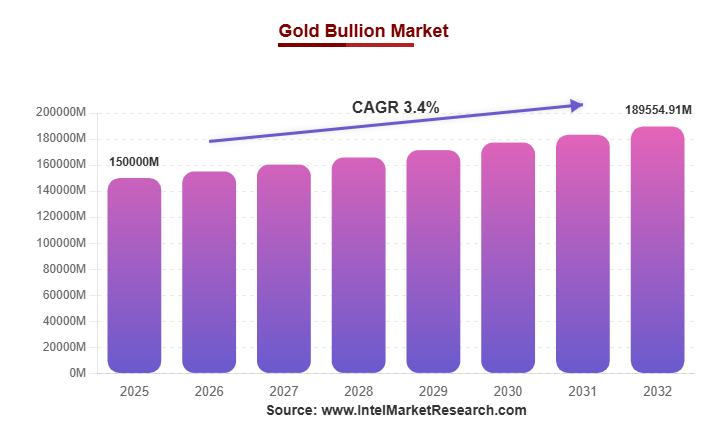
As per Intel Market Research, the global gold bullion market generated the revenue of 150 billion USD in 2025. By the end of 2026, the market is projected to reach the value of 155 billion USD. Till 2034, it is estimated to become a 210 billion USD industry with a CAGR of 3.4%.
Gold bar trading refers to the buying and selling of physical gold bars between businesses, investors, and financial institutions. This activity is a key part of the global bullion market. A bullion trading business generates profit by buying gold at competitive prices and selling it to buyers at a margin. Successful traders also manage market risks to protect their profits.
There are several business models in the gold trading industry. Wholesale bullion trading focuses on supplying large quantities of gold bars to dealers and distributors. Import and export trading involves moving gold between countries while complying with trade regulations.
Institutional trading serves banks, investment firms, and large financial organizations. Refiner to dealer trading connects refiners directly with distribution networks. Dealer-to-dealer trading allows businesses to buy and sell inventory within the market. Online brokerage companies also play an important role by using the B2B platforms for gold trading to connect buyers and sellers more efficiently.
Starting a gold trading company requires careful planning and strong industry knowledge. Business owners must understand market demand, legal requirements, supplier networks and risk management practices. Its success depends on building trusted relationships and maintaining transparent operations.
Market research helps businesses understand demand and identify profitable opportunities. Sellers need to study global gold consumption trends, including purchases by central banks, institutional investors, and retail buyers. Emerging economies often present attractive growth opportunities for traders entering new markets.
Businesses should identify their target customers before launching operations. Potential buyers include bullion dealers, banks, jewelry manufacturers, gold refiners, wholesalers, family offices, and investment firms. Understanding customer needs allows companies to develop better services.
It is also important to understand who your competitors are and how they operate. Review pricing models, service offerings, market coverage, technology systems, and compliance standards. Businesses should also evaluate capital requirements, licensing obligations, and supplier access. Learning how to source gold bars for resale can help companies build a strong foundation before entering the market.
A detailed business plan provides direction and helps attract investors. The first step is choosing a business model. Some companies operate as principal traders while others work as brokers. A hybrid model combines both approaches to create additional revenue opportunities.
Business goals should include revenue targets, trade volume objectives, and expansion plans. Startup costs may cover licensing, legal support, compliance systems, technology infrastructure insurance, and working capital.
Financial forecasting is essential for long-term stability. Businesses should estimate revenue potential, project cash flow, and assess different risk scenarios. A realistic break-even analysis helps owners understand when the company is likely to become profitable.
Legal compliance is one of the most important parts of establishing a gold trading company. Businesses must register an appropriate legal structure, such as an LLC corporation or partnership. The chosen structure should align with operational goals and tax requirements.
Companies may need precious metals dealer licenses, commodity trading registrations, import permits, and local business approvals. Regulatory requirements vary by country and jurisdiction.
Strong AML and KYC procedures are necessary to prevent financial crimes. Businesses should verify customer identities, perform due diligence, and maintain transaction records. Tax obligations also require attention because international transactions can involve additional reporting responsibilities. Proper recordkeeping supports audits and regulatory reviews.
The amount of capital required depends on the scale of operations. Small trading businesses may begin with limited inventory, while institutional traders often require significant financial resources. Working capital is necessary to support inventory purchases and daily operations.
Funding sources can include founder investment, private investors, strategic partners, and trade finance providers. Some businesses also use commodity-backed financing to improve purchasing power.
Managing cash flow is critical in the gold trading business. Companies need enough liquidity to purchase inventory and respond to market opportunities quickly. Inventory financing, credit facilities, and cash reserves help businesses handle market fluctuations. Companies that maintain strong financial discipline are better positioned for long-term growth and stability.
Reliable supplier relationships form the foundation of a successful trading company. Businesses can source products from refiners and international trading houses. Selecting dependable partners helps ensure product quality and timely delivery.
Supplier evaluation should include certification reviews, business history, financial stability, and delivery performance. Due diligence procedures may include ownership verification, compliance screening, sanctions checks, and audit assessments.
Businesses should negotiate clear agreements covering pricing, payment schedules, delivery terms, and dispute resolution procedures. A trusted gold bar sourcing marketplace can simplify supplier discovery and improve transaction efficiency. Many traders also use Tradewheel.com to connect with verified suppliers and expand their sourcing network.
Gold bars must meet specific standards to be accepted in international markets. Investment-grade products are evaluated based on purity weight and refinery accreditation. Buyers often prefer bars produced by recognized refiners because they offer greater confidence and liquidity.
Industry standards such as LBMA Good Delivery guidelines play an important role in global trading. These standards help ensure consistency across markets.
Businesses should verify authenticity through assay certificates, serial numbers, and documented chain of custody records. Counterfeit risks can be reduced through testing procedures, independent verification services, and advanced technology solutions. Strong verification practices help protect both buyers and sellers during transactions.
Secure logistics and storage are essential in the gold trading industry. Gold bars are high-value assets that require strong protection during transportation and storage. Businesses should work with trusted service providers that specialize in precious metals handling.
Storage options include private vaults, third-party depositories, and bank vault facilities. The right choice depends on inventory volume, operational needs, and security requirements. Businesses should select facilities with advanced monitoring systems and strict access controls.
Transportation security is equally important. Many companies use armored transport services and follow international shipping procedures to reduce risk. Insurance coverage should include transit protection, storage coverage, and comprehensive bullion policies. Inventory tracking systems, regular audits, and reconciliation processes help maintain accuracy and accountability.
Efficient trading operations help businesses manage transactions and serve clients professionally. A strong infrastructure should include a dedicated trading desk, market data tools, customer relationship management systems, and compliance software.
Accurate pricing is critical for profitability. Businesses should monitor spot market prices, calculate premiums, and manage margins carefully. Real-time market information supports better decision-making and improves competitiveness.
Risk management should be part of every operation. Businesses must monitor market risk, counterparty risk, operational risk, and liquidity risk. Hedging tools such as futures contracts, options, and forward agreements can help reduce exposure to price fluctuations. A well-structured operation creates stability and supports long-term growth.
A strong customer base is necessary for sustainable business growth. Companies should develop a professional brand that reflects trust, transparency, and industry expertise. A corporate website can help showcase services, certifications, and business capabilities.
Businesses should create a clear value proposition. Competitive pricing, secure transactions, fast settlements, and compliance expertise can attract long-term clients. Buyers often prefer suppliers that demonstrate reliability and consistency.
Networking remains one of the most effective growth strategies. Precious metals conferences, commodity events, and industry associations provide opportunities to connect with decision makers. Digital marketing efforts such as SEO, LinkedIn marketing, email campaigns, and content creation can increase visibility. Strategic partnerships with financial institutions, wealth management firms, jewelry manufacturers, and investment advisors can also generate valuable business opportunities.
Gold trading offers strong opportunities, but it also comes with challenges. Price volatility is one of the most common issues. Market conditions can change quickly and affect profit margins.
Regulatory changes can create additional compliance requirements. Businesses must stay informed about licensing obligations, reporting standards, and international trade rules. Failure to comply can result in penalties and operational disruptions.
Fraud and counterfeit risks remain concerns across the industry. Strong verification processes help reduce exposure to these threats. Supply chain disruptions can also affect product availability and delivery schedules. International trade restrictions may impact cross-border transactions. Businesses that prepare for these challenges are better equipped to maintain stable operations.
The gold trading industry continues to evolve with changing technology and market demands. Digital gold trading platforms are making transactions faster and more accessible for businesses around the world. Many companies are adopting online solutions to improve efficiency.
Blockchain technology is becoming an important tool for gold verification. It can provide greater transparency and strengthen supply chain tracking. This development may help build trust among market participants.
Responsible sourcing practices are also gaining attention. Businesses are expected to follow environmental, social, and governance standards when selecting suppliers. Regulatory oversight is increasing in many regions, which places greater emphasis on compliance. Emerging markets continue to create new opportunities for businesses seeking international expansion.
Starting a gold trading company requires careful planning, industry knowledge, and strong business relationships. Success depends on understanding market demand, following regulatory requirements, and building reliable supplier networks. Online B2B platforms like Tradewheel.com help suppliers to connect with genuine buyers looking to source gold bars at market-competitive prices.
Serving millions of Buyers & Sellers around the world
Join Free
One moment please
 Browse Through Millions of High-Quality Products.