Join World's Fastest Growing B2B Network
Join World's Fastest Growing B2B Network



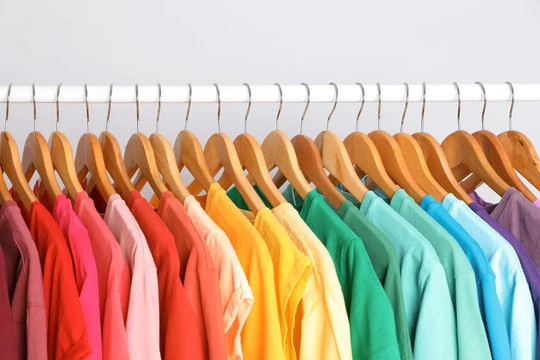
Starting a clothing business from home is not just a dream ; it’s a real opportunity in today’s world. Clothing is something we all need, and fashion trends continue to evolve, so there’s always demand.
Before knowing the answer to “how to start a small clothing business from home” you should know the market stats of the clothing industry as it will act as a primary source that will help you in decision making and also enables you to evaluate the future of the clothing business.
According to Fortune Business Insights, the global apparel market generated revenue of 1,749 billion USD in 2025. By the end of 2026, it is expected to reach 1,804 billion USD. By 2034, it is projected to reach the market value of 2,307 billion USD with a CAGR of 3.52%.
The best thing is that you can start from your own home. You can make and sell things like t-shirts, casual wear, children’s clothes, modest wear, activewear, or even custom pieces.
Because you don’t need a big store or showroom, your costs are lower, and your chance to find niche buyers online is bigger than ever. With more people shopping on smartphones and using social media, a home-based clothing business has the potential to grow into a sustainable income source.
Starting a clothing business has become easier, but the main question is: how can one start a successful online clothing business at home with a low initial investment? Now you need to follow and implement the steps mentioned above in your business and enjoy the generational fruit.
A home based clothing business from home will be successful if you start it from scratch and follow a strategic pattern of things that matter and need to be done initially to achieve the desired goal you are looking forward to.
Research plays a vital role in the success of any business. For clothing business you need to research the market in depth, understand how the market works, how much does it cost you to start business from home, what things are required to start the clothing business initially like software, apps or materials that you want to sell, what niche product in the clothing industry you will sell initially.
Who your competitors are, who would be your target market, what business model you are going to follow like dropshipping, wholesale, manufacturing, etc. once you find out all the important things you need to start a clothing business from home now is time to create a business plan.
Once you learn about the market, it's time to work on creating a business plan for your clothing brand. Your business plan should include your business’s vision and mission statement and the ways to achieve those goals. It is a pathway towards success; in times of difficulties, it will act as a guiding star. It should have answers to all the questions and queries businesses face at some point in their business.
From sales channels to clothing items sourcing, selling, and scaling, everything should be included in your business plan. Also mention how much you are going to invest into the business initially, what the profit margins will be initially, how you are going to market your business, etc.
An important step that business owners do not pay attention to initially is registering their business with local and international authorities if they want to sell internationally. It is essential to register your business name and trademark, as it protects your business from being copied by others.
Choose the business structure that you want to follow, like sole proprietorship or LLC. Decide the business name wisely, it should be easy to remember and can be easy to pronounce and align with your business, what you sell. Get the necessary licenses and permits that you can show to customers to ensure the quality of products purchased from you. Also, these permits help you in reaching a broader audience internationally.
Starting a small clothing business from home or from anywhere in the world requires the main ingredient or product, or the foundation of the business, which is clothing items. Decide where you are going to source the clothes you are going to sell.
There are plenty of apparel products that you can sell, like streetwear, kids’ fashion, activewear, sustainable clothing, etc Under these broader terms come various other clothes, t-shirts have a separate fan base, trousers, and undergarments are other different and broader industries that you can explore. Once you find the products, find the options through which you are going to source materials.
You can use online B2B marketplaces like Tradewheel.com, which is the best online e-commerce trading platform from where you can source raw materials for a clothing business, and can also purchase ready-made clothing items for resale purposes through this comprehensive marketplace.
Use online social media platforms to increase your brand awareness. Such platforms have high user-engagement rates and provide easy access to success and sales in this modern world.
Choose between your own uniquely designed clothes and ready-made clothing items with various print customization options for your home clothing business. In the initial stage, established enterprises would suggest going with ready-made clothing items, as you need to purchase products in bulk from reliable manufacturers and sell them on your platform at unit prices or in deals, which is your choice.
Designing your clothing line is costly as you need to source various things to design and stitch a clothing piece, from fabric, to design, embellishments, stitching, etc, and after such hard work, your designs did not please the audience in the first go, it will flop your business. Ready-made clothing items have high profit margins and are easy to sell and source.
Brand identity is very important for home businesses or any other business as it leaves an everlasting impression on your business, so for that, you need to create your brand logos and choose a brand name wisely, as once you open your business, you can not change it. Focus on the packaging and labelling of your products to stand out against competitors and to attract customers.
Starting an online clothing business from home can bring profit to your business, but how? Let's talk about this.
You can create your own Etsy or Shopify store with a little investment and can avail unlimited benefits these platforms offer to sellers. Such platforms have high user-engagement rates and organic traffic that can help you increase your business sales.
Use online B2B marketplaces like Tradewheel.com to sell your clothing items at market-competitive prices. Such platforms offer an extensive buyers directory for sellers to explore, where every day, hundreds of buyers post their product inquiries, so that you can connect with reliable online buyers who are willing to purchase your products at prices suitable to both sides of the business.
Create separate Instagram and Facebook pages, post your clothing item images frequently, engage with buyers on a daily basis, and promptly answer their inquiries. Keep your customers updated about your new product launches, run ads on such platforms, as it will help bring sales to your business.
Marketing your clothing brand online is one of the most important steps to getting your first sales. Start by using social media platforms like Instagram, TikTok, and Facebook, where fashion content performs really well. Post high-quality photos and short videos of your products, and try to connect with your audience through stories and reels. Collaborating with small influencers is another smart way to spread the word, as their followers often trust their recommendations.
You can also run giveaways to create excitement and attract potential buyers. Along with social media, focus on SEO by writing blogs or creating content around fashion tips, styling guides, and clothing trends. This helps your business appear on search engines when people look for related products. A mix of social media, influencer marketing, and SEO will give your brand visibility and help you attract more customers consistently.
Managing money properly is the key to growing your clothing business. Start by keeping a record of all your expenses, like fabrics, packaging, shipping, and marketing costs. Compare these with your sales to understand how much profit you are making. Once you see regular sales, reinvest a part of your earnings into the business instead of spending it all. You can use this money to create new designs, buy more stock, or improve your marketing efforts.
Scaling should be slow and steady. For example, if you started with T-shirts, you can later add hoodies or accessories once you have stable buyers. You should also focus on building stronger relationships with suppliers and customers to keep your business reliable. By tracking finances carefully and growing step by step, you can turn your small home-based clothing startup into a sustainable and profitable brand.
Setting the right pricing is essential to ensure your clothing business is both competitive and profitable. Start by calculating your total cost per product, including material or sourcing cost, packaging, shipping, and marketing expenses.
Once you know your base cost, apply a reasonable markup; many small clothing businesses aim for a profit margin between 50% to 70%. For example, if a t-shirt costs you $5 to source and an additional $3 for packaging and shipping, your total cost is $8; selling it for $15 to $20 can give you a healthy profit. It’s also important to research competitor pricing and understand what your target audience is willing to pay.
As your brand grows, you can gradually increase prices by adding value through better branding, unique designs, or premium packaging. A well-planned pricing strategy not only ensures profitability but also helps position your brand effectively in the market.
If you want to start your small clothing business from the vicinity of your home, then this blog is perfect for you. We have discussed the steps that you need to take in order to start a smooth, profitable, and successful clothing business. Now, using online B2B platforms like Tradewheel.com further simplifies your process for sourcing and selling clothing products, as you can act as both buyer and seller on such platforms. So take a step towards successfully starting your clothing business from home now and expand your business.
Serving millions of Buyers & Sellers around the world
Join Free 09-Feb-2026
Introduction Do you know that clothing is still one of the biggest and most profitable niches for starting and growing a business in 2026? Clothing is an absolute part of everyday living. Everyone around you has different styles when it comes to cho
28-Jan-2026
Fashion is forever evolving, and the clothing industry is growing rapidly. The global fashion industry growth is expected to cross $2 trillion by 2026. Now people look for clothes that offer them eco-friendly options with trendy colors and designs. S
02-Dec-2025
Starting a clothing brand online is the most successful and profitable business idea. The international e-commerce sales are expected to reach around US $6.42 trillion this year, with online shopping making up about 20.5% of total global retail. Fash
14-May-2025
The fashion industry is booming, and new apparel, clothing items, and designs are being introduced in various niches to keep the audience interested. Fashion trends keep changing, but some clothing items remain popular because of their comfort, style
21-Apr-2025
Why do people want to continue upgrading their closets even when they already have sufficient clothing? It is something greater than fashion; it's economics, innovation, and identity. By 2025, the fashion industry is no longer what you wear; it's how
10-Dec-2024
Finding wholesale apparel buyers online has become much easier in recent years, allowing clothing manufacturers and suppliers to connect with global buyers quickly and efficiently. Online transactions have contributed to maintaining and managing proc

One moment please

 Browse Through Millions of High-Quality Products.