Join World's Fastest Growing B2B Network
Join World's Fastest Growing B2B Network



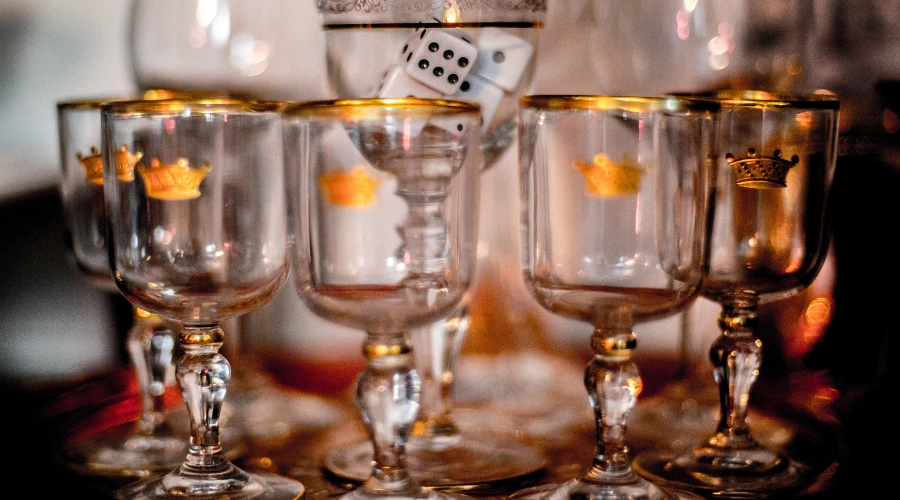
The antique glass market is a part of a much larger worldwide trade that includes antiques, collectibles, vintage decorations, and historical objects. According to recent research, the global antique glass market was valued at $319 million in 2025. It is further anticipated to reach $435 million by 2032, with a CAGR of 4.6%. This shows the wider growth of the antiques and collectibles industry.
There is a strong desire among buyers for items that are unique, rare, and carry a sense of history. For any business that deals with antique glass, this situation creates real opportunities across many different fields, including retail shops, interior design projects, private collecting, hospitality businesses, restoration work, and resale. As online marketplaces make it easier to trade products to other countries, antique glass buyers and suppliers can connect with each other even in markets that are very far from their own local area.
The term antique glass comes with a very wide range of products, including old glassware, bottles, vases, mirrors, stained glass panels, decorative objects, tableware, ornaments, and even architectural glass elements. There are different terms that buyers use, such as antique or vintage, which is why the sellers should always explain the age and background of their products in a clear manner.
This market is not just for collectors, because antique glass is also regularly purchased by interior designers, antique dealers, boutique retailers, restaurants, hotels, event companies, museums, and prop rental businesses, making the antique glass industry much more varied than a typical collectibles market.
One estimate from Global Market Insights says that the broader market was around $150.2 billion in 2025 with a possible rise to $229.7 billion by 2035, growing at a rate of 4.4% each year. Other research firms have published even higher numbers because they use different definitions and draw their market boundaries differently, which shows exactly why antique glass should not be given a single fixed market size without a very clear and reliable industry definition.
For the sellers of antique glass, the most important point is that the market growth should not be measured just by counting the number of collectors. The demand can also come from businesses that are using antique glass as a part of their large projects or services, such as:
This wide base of buyers can help in keeping the demand steady even when the individual antique pieces are only available in limited quantities.
One of the most noticeable antique glass market trends right now is the rising interest in vintage and historic designs. Designers and consumers often like to choose older objects that can offer the details and a sense of character that is very difficult to reproduce.
This is why accurate product information, provenance details, maker’s marks, and honest condition reports are very important for sellers with every passing year.
The growth of the antique glass industry is being pushed forward by many different factors.
The simple fact that supply is limited can keep the interest focused on rare pieces. Unlike modern glass products that can often be manufactured in very large quantities, genuine antique items are usually limited to whatever has survived over time. Although a product being limited does not automatically mean high value, the conditions, authenticity, maker design, historical importance, and actual buyer demands all work together to influence the market value.
Antique glass buyers come from a number of completely different sectors with different purposes.
Starting with collectors and antique dealers, these buyers remain especially important for antique glass pieces that are rare or have historical significance. They may also choose to focus on specific makers, time periods, regions, or types of glass.
Interior designers and home décor often source large quantities of antique mirrors, vases, bottles, stained glass elements, and decorative pieces in order to create interiors that have a distinctive and memorable character.
Vintage and boutique retailers mainly buy antique glass in smaller wholesale lots. They then resell the individual products to consumers. These buyers usually look for attractive antique glass that is easy to display nicely and easy to photograph well for their online listings.
Museums and institutions often have more specialized needs than regular business buyers. They may source the antique glass objects specifically for their exhibitions, academic research, restoration projects, or simply to fill the gaps in their historical collections.
Event planners and prop rental companies can also create a steady demand because these businesses often purchase or rent vintage bottles, jars, vases, candle holders, and other decorative glass products for events like weddings, professional photo shoots, and film and television projects.
Most of the international antique glass buyers take the route of online B2B marketplaces to source their products.
Tradewheel is a prime example of a B2B marketplace that provides buyers a safe ground to source high-quality antique glass and other products. It allows antique glass buyers to discover products from international sellers, compare many different pieces side by side, and communicate directly with suppliers, which has made antique glass sourcing far less dependent on physical antique shops and local personal networks.
There is also a unique RFQs section on this platform that gives buyers the flexibility to describe their own requirements and required MOQs. The suppliers from all over the world instantly provide quotes on these requests that fit the budget.
Tradewheel helps businesses present their products to a much wider audience that includes importers, retailers, dealers, and all kinds of commercial buyers. They can list thier products here and gain immediate visibility among a community of interior designers, antique dealers, architectural salvage professionals, and upcycling brands. This means that the inquiries and orders arrive with a clear commercial intent rather than casual browsing.
They strongly encourage detailed product descriptions and high-resolution images, and provide direct communication tools that connect buyers and suppliers on one platform. They also offer trade assurance features that help build trust between parties who may be doing business across borders for the first time.
The value of antique glass can depend on its age, condition, rarity, maker, origin, design, and historical importance. Market demands also play an important role.
Antique glass can offer a lot of B2B opportunities, such as connecting with a wider market of antique glass, building long-term relationships with traders, and scaling your business to an international level.
The future outlook for the antique glass market is generally positive. It is supported by the growing sector of antiques and collectibles. The demand can vary significantly between the product types.
The antique glass market remains a specialized and fascinating part of the much larger antiques and collectibles industry. The demand is growing, and value keeps expanding, creating many opportunities for businesses to gain profitable outcomes. This blog provides insight into the value of the antique glass market and how much it is growing. Any business that truly understands these factors and uses online B2B channels effectively can benefit greatly.
Serving millions of Buyers & Sellers around the world
Join Free
One moment please



 Browse Through Millions of High-Quality Products.