Join World's Fastest Growing B2B Network
Join World's Fastest Growing B2B Network



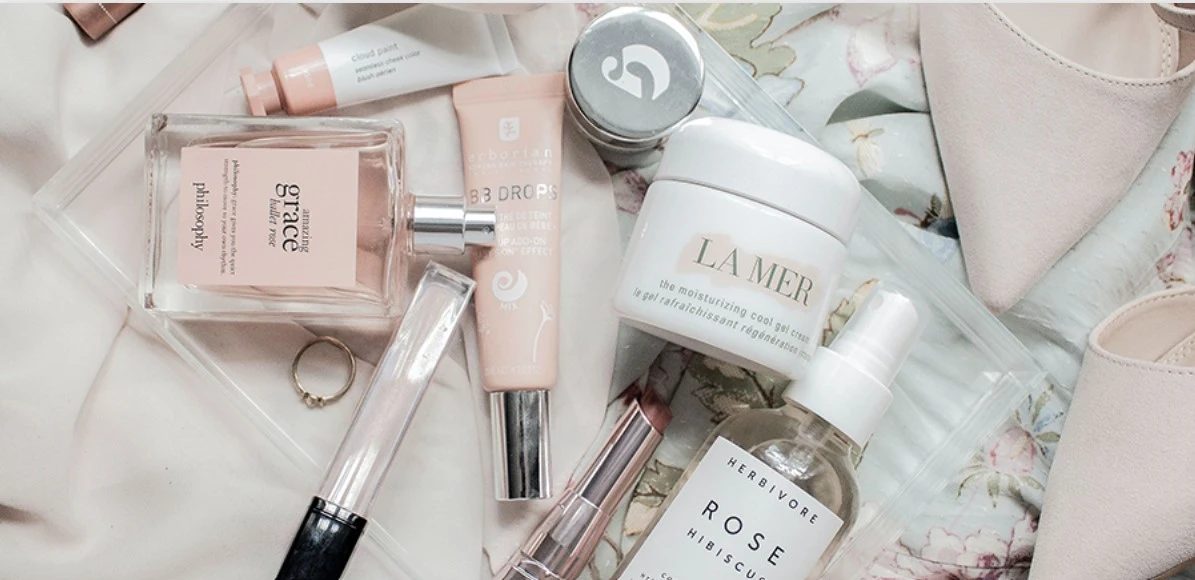
Many Korean cosmetics companies are stepping out and introducing their products to global clients. We have witnessed a rise in global demand for Korean cosmetics in recent years, which has created a great opportunity for small-scale businesses to import cosmetics from Korea. However, the dilemma of connecting with a genuine supplier remains constant. This blog will help you understand the dynamics of importing Korean beauty products and guide you with step-by-step procedures to get started.
Korean cosmetics have a huge demand worldwide. People all over the world, especially the younger generation, are more inclined towards spending their money on these products, endorsed by their favourite Korean celebrities. Another reason for the overwhelming demand is that these products are made from natural ingredients and extracts, including some skin-nourishing acids, that are proven to fight against skin problems such as early signs of aging, blemishes, dryness, acne, and acne marks.
These products are not very pricey, unlike US-branded cosmetics, which are considered more luxury makeup products not suitable for daily wear. In comparison, Korean cosmetics are easy to wear every day. If we look closely at the Korean cosmetic market, we can see a highly revenue-yielding industry. Its exports surpassed $11 billion in 2025, setting a new record for beauty product exports.
We have listed the top steps to start your Korean beauty business by importing cosmetics from Korea. You can use this method to start your business:
The first step towards starting your own import business is conducting market research. It is the first step in understanding how to import Korean beauty products that are bought and sold and what the chances of your success are. Market research helps you evaluate consumer demand, trending Korean cosmetics, and potential competitors in your region.
You can study the market dynamics of K-Beauty to determine which products will resonate with your audience. Many online platforms and surveys will provide insights into top-selling categories, helping you align your business goals with industry trends.
By analyzing customer preferences, you can strategically plan which products to import from Korea. Focus on skincare items, as they dominate the global market for Korean cosmetics. This ensures that your import strategy is both profitable and aligned with current consumer trends.
When planning to import Korean cosmetics, calculating costs is essential for profitability. Consider product pricing, shipping fees, customs duties, and taxes. Many Korean suppliers offer wholesale discounts, which can significantly reduce your expenses.
Choose cost-effective deals that ensure affordability without compromising quality. You must include marketing and storage expenses in your cost estimation to avoid challenges and possible financial setbacks. Proper budgeting ensures smooth operations when importing Korean products, allowing you to compete effectively in your target market.
Finding reliable suppliers is very important when learning how to import Korean cosmetics. You need to prioritize manufacturers with strong reputations for quality and consistency. To connect with more than one seller at a time, choose a trusted platform for connecting with verified Korean suppliers specializing in beauty and skincare.
Make sure that your chosen supplier follows international standards and can provide certifications for safety and authenticity. Building strong relationships with suppliers also helps streamline your importing process and negotiate better terms for bulk purchases.
Tradewheel.com simplifies the process of importing Korean beauty products by connecting you with verified exporters and manufacturers. With an extensive directory of suppliers offering a wide range of cosmetics, it ensures you find products that align with your business needs. The platform also provides buyer protection, making transactions secure and hassle-free.
The platform is designed with a user-friendly interface that helps streamline communication, making sure you have seamless dealings when importing Korean products. Whether you’re a small business or a large retailer, the website’s innovative tools support your journey from sourcing to delivery.
Quick and fast logistics are key to successfully importing Korean beauty products. Choose the best options that balance cost and delivery speed. Most Korean suppliers offer shipping options through air and sea ways. You need to make sure your logistics partner has experience handling cosmetic products, as these often require careful packaging to maintain quality.
Platforms like Tradewheel.com help coordinate shipping processes, and help you in tracking your timely delivery of Korean cosmetics to your destination. Proper logistics management minimizes delays and increases customer satisfaction.
Understanding safety requirements is crucial for those wondering how to import Korean cosmetics. Check compliance with local regulations regarding ingredients, labeling, and packaging. For instance, many countries require certifications for safety and compliance when it comes to importing and exporting bulk cosmetics. Make sure that your suppliers meet these criteria before importing Korean products.
Working with verified platforms like Tradewheel.com guarantees access to communicate with certified Korean beauty product sellers who keep up with international safety standards and minimize legal risks.
Navigating customs is a major step in importing Korean cosmetics. Ensure all documents, such as invoices, certificates of origin, and safety reports, are prepared to avoid delays. Customs duties and taxes vary by country, so calculate these fees in advance to estimate costs accurately. Staying informed about regulations ensures a smooth process when importing Korean beauty products.
Successful promotion is essential when selling imported Korean cosmetics. You can highlight the unique aspects of K-Beauty, such as innovative ingredients and sustainable branding, to attract customers. You can also use social media platforms and influencer partnerships to build credibility and create demand.
Clearly communicate product benefits and showcase their origin to emphasize authenticity. Effective marketing strategies help position imported Korean beauty products as premium offerings in your local market, driving sales and customer loyalty.
Knowing trends in current K-beauty products will increase your market know-how and help you understand the market better for decision-making procedures:
|
Trend |
Description |
|
Sustainable Branding |
K-Beauty brands are adopting eco-friendly packaging, refillable products, and reducing waste. |
|
Personalization |
Products customized to individual skin types and preferences, driven by consumer feedback. |
|
Inclination on Skincare |
Greater emphasis on multi-step skincare routines and high-quality ingredients over makeup products. |
|
Vegan Products |
Increased demand for cruelty-free, vegan-certified products without animal-derived ingredients. |
Importing Korean beauty products can be simplified. We take a look at the obstacles that might create a hurdle and come in the way of your importing business. The following are some of the common challenges you may face and some solutions to overcome them:
Becoming a Korean cosmetic importer is profitable however, there is a possibility that the products you are planning to import will face demand fluctuations. There are endless reasons why this could create a problem for your business.
To avoid this problem, you can increase your research on specific products and use tools and surveys that indicate the future demand for these cosmetic products. Make sure to invest in products that are highly relevant, and people are looking for them eagerly.
Connecting with a Korean cosmetic company directly could be easy, however understanding their language and gestures is a challenge. Language barriers could create a problem in closing the deal and might create confusion.
To avoid this problem, you can use B2B platforms to solve this problem. Platforms like Tradewheel.com can allow you to join many sellers regardless of their nationality and language. The platform is the ultimate solution to remove all barriers and connect with sellers by using the common language.
Importing cosmetic products from Korea might face delays. It could happen because of various reasons such as law and order situations in the country, weather conditions which might hinder your delivery on time.
To avoid this problem, you can do time management and place your orders some time before you need them to avoid any mishap. Doing this will also allow you to do proper inventory management so that you can plan your business strategy effectively before time.
Another problem that can come in your way of importing Korean cosmetics is the change of trends. We are living in an era of innovation where things become sensational over night. If we talk specifically about cosmetics and skin care products, there might be a slight chance that these products will go out of business once you get them.
Prior marker research and use of several tools to analyze the demand for your products will help you in facing the problem without bearing any financial loss.
Korean sunscreens are globally popular because of their lightweight formulas and many skin-care benefits. Products like herbal-ingredient SPFs from different brands repeatedly top online rankings, showing strong international demand and fast sell-outs.
Ingredients like snail mucin, ceramides, and probiotics dominate trends since consumers focus on skin health rather than heavy makeup. This category guarantees repeat purchases and long-term customer loyalty.
Convenient multi-use formats such as treatment pads and sheet masks are expected to grow globally because they combine cleansing, hydration, and treatment in one step, making them high-volume sellers.
Soft and blurred lip looks remain a major K-beauty trend, keeping lip tints among the most viral and affordable products with strong social-media demand.
In this blog, we have added the most important steps that you can follow to start your own business and import cosmetics from Korea. We have added some of the latest trends that can help you make seamless purchases. Furthermore, we added the challenges that you might face in the ways alongside the best possible solutions to solve the problems before time.
Serving millions of Buyers & Sellers around the world
Join Free 06-Jan-2026
In recent years, selling cosmetic products online has been one of the most profitable e-commerce opportunities. As the online sales grow faster than physical retail, offering good profit margins, the international beauty and personal care market is e
14-Jun-2024
K-beauty products are known for their high-quality ingredients and innovative and effective formulas. Korean skincare products have changed the beauty market by focusing on glowy, radiant skin. The demand for these products has been increasing signif
08-Feb-2021
One doesn’t have to be a beauty industry expert to know that South Korean-beauty products have taken charge of the global cosmetic and personal care industry. Although the Western world was the sole sovereign of the beauty market in the past, K

One moment please
 Browse Through Millions of High-Quality Products.