Join World's Fastest Growing B2B Network
Join World's Fastest Growing B2B Network



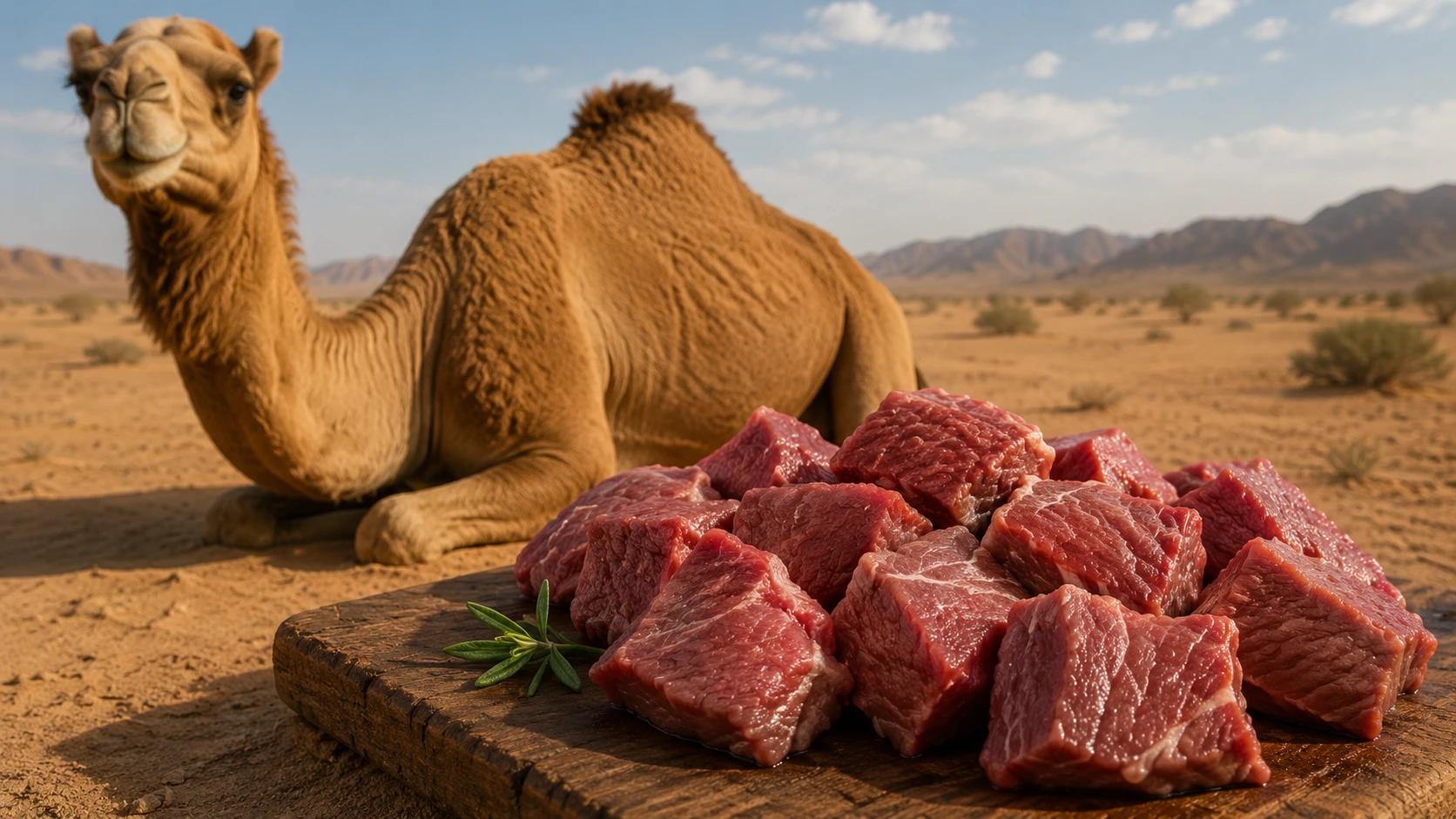
The demand for camel meat is really taking off in lots of places around the world. People want to eat healthy. They are looking for different kinds of meat. This has opened the doors of opportunities for many businesses globally. The market is not saturated yet, so if you invest in this business now and establish your own business, chances are you will be able to maintain a solid position in the market.
Many people like to buy halal meat, which is why they are getting interested in camel meat. Now you can even find camel meat in restaurants and stores. This is a time for people who want to start a camel meat business and make it successful.
This blog explains how to start a camel meat business from scratch. You will learn about the camel meat market size, why it's high in demand, crucial steps to take, how to find reliable suppliers, and much more. So keep reading and expand your knowledge.
Camel meat is becoming more popular in many parts of the world. People are looking for healthier protein options and new food choices. The market is expanding as people are becoming aware of its benefits. Camel meat is rich in protein and contains less fat than other red meats.
Halal food demand is increasing, which is why the camel meat industry is growing more and more every day. Now, with the growing demand comes the main concern of how businesses are going to meet the increasing consumer demands. For that, businesses are turning towards B2B exporters to strengthen their camel meat import business.
Starting a business requires careful planning and research. Every stage plays an important role in long-term success. Entrepreneurs should understand the market before making investments.
Market research helps you understand customer demand. It also helps you identify business opportunities. Good research reduces the chances of costly mistakes.
As a business owner, you need to think like your customer: who will buy your camel meat in the meat market? Analyze whether the demand for camel meat is high in local areas or if it offers better export opportunities. Conduct in-depth research on your competitors: learn about their business models, pricing strategies, what makes them unique in attracting customers, and any grey areas in their business.
You can work on your competitor’s grey areas and present them as your business strength. The camel meat market may vary from one region to another. Understanding these differences can help you create a stronger business strategy. Know that reliable information supports better planning and growth.
A business plan provides direction and structure. In short, it acts as a roadmap for your business. A good business plan has answers to all your business queries and problems that you might face moving forward in your journey. It helps you organize goals and financial expectations. Investors may also ask to see a detailed plan.
Estimate startup costs and ongoing expenses. Create realistic revenue projections based on market research. Develop a distribution strategy for reaching customers. Assess potential risks and prepare solutions. A strong business plan can improve your chances of success.
Different business models offer different opportunities. Your choice should match your budget and goals. Consider the needs of your target market.
You can supply camel meat to buyers as a supplier or distributor. Some entrepreneurs launch online stores to reach more customers. Others focus on supplying restaurants and hotels. The camel meat import business can also be a profitable option for international trade. As an entrepreneur, you need to choose your business model based on available resources and your interests, as it will shape the future of your business.
Registering your business is an important first step. It helps make your business legal and builds trust with customers. Different regions have different registration requirements. If you are starting a business at the domestic level, the registration requirements will differ from those for international businesses.
Start by choosing the right business structure that suits your company (LLC or Sole Proprietorship). Then apply for the licenses and permits you need to operate legally. If required in your area, make sure to get food handling certifications as well.
Do not begin sourcing camel meat until all legal requirements have been completed. Proper business registration protects your company and helps create a reliable image in the market. It also reduces the chances of facing legal or operational problems in the future.
Finding the right supplier is important for any camel meat business. Good suppliers help maintain product quality and customer trust. Learning how to find camel meat suppliers takes time and proper research. A reliable supplier can provide steady stock and support business growth. Strong supplier relationships also help reduce risks and improve operations.
You can find suppliers through camel farms, livestock markets, and meat processing companies. Trade fairs are also useful for meeting industry contacts.
Online B2B platforms like Tradewheel.com offer many sourcing options as well. Through such marketplaces, you can explore extensive lists of camel meat suppliers and distributors. You can have one-on-one communication with them. The best thing about Tradewheel.com is that it offers human assistance for a smooth and time-saving sourcing experience.
A good supplier should provide quality products and reliable service. Look for health certifications and clear business records. Consistent supply is also important for smooth operations. The camel meat business depends on suppliers who follow proper standards. Ethical farming practices and good communication are also signs of a trustworthy supplier.
Before working with a supplier, ask about certifications and quality checks. Find out how much product they can supply. Ask about storage methods and delivery systems. Camel meat sourcing is safer when suppliers provide clear answers. These questions can help you understand whether the supplier is suitable for your business.
Be careful of suppliers who cannot provide proper documents. Poor communication can lead to delays and problems. Unclear sourcing methods should also raise concerns. Knowing how to find camel meat suppliers means identifying these warning signs early. Careful checks can help protect your business from quality and supply issues.
Every camel meat business must follow legal and food safety rules before starting operations. Businesses need the right licenses, permits, and certifications to operate legally. The camel meat import business may also require extra documents for international trade.
Halal certification is important in many markets and helps build customer trust. Food safety should be your business’s top priority, no matter how successful your business becomes. Your customers’ trust should not be compromised. Proper storage, transportation, and quality checks help maintain product quality. Following regulations and safety standards can protect your business and support long-term growth.
A strong supply chain is really important for a camel meat business. It helps the business run smoothly and saves money. You need to pick partners that you can trust with meat processing. This way you can be sure that the meat is quality and packaged safely. The meat also needs to be stored and transported properly so it stays fresh when it is delivered, and a proper cold storage system is a necessary requirement.
A camel meat business should have a system to keep track of inventory stock. This will help you avoid running out of stock and will enable you to maintain a consistent supply chain. Careful planning and regular communication with partners can create a stable supply chain and support long-term business growth.
Starting a camel meat business requires a clear budget plan. Expenses usually include licenses, equipment suppliers, storage, and transportation. Proper planning helps control costs and improve business growth.
If you want to start a camel meat shop, you will need around $10,000 to $30,000 for the basic things you need. If you want to start a bigger camel meat business that processes or exports camel meat, you will need $50,000 or more. You will have to pay for things like licenses, equipment, storage, and transportation.
The initial investment covers the setup costs of the business. If you want to start a camel meat shop, you might need to spend $2,000 to $5,000 on licenses and permits. You will also need to buy equipment like freezers, cutting tools, and packaging machines, which can cost $5,000 to $15,000.
Then you need to think about supplier agreements and buying your inventory of camel meat, which can cost another $5,000 to $20,000.The total amount depends on the business model and location.
When you are running a camel meat business, you have to think about the operating expenses. These are the costs you have to pay every month to keep your camel meat business running. You might need to pay $1,000 to $5,000 per month for transportation, storage, and utilities.
You will also need to pay your staff, which can cost $500 to $3,000 per month, depending on the number of people you hire. You need to think about marketing expenses, which can be $200 to $1,000 per month.
Profit margins depend on product pricing, customer demand, and sales volume. If you are a supplier of camel meat, you might make a profit of 10% to 20% by selling bulk quantities. If you have a retail camel meat business, you might make a profit of 20% to 40% because you are selling camel meat directly to customers. If you plan your expenses well, you can have a profitable camel meat-selling business.
These pointers will help you understand what needs to be done in order to generate sales in the camel meat business.
Choosing the right sourcing location is important for quality and supply reliability. Different countries offer different advantages for businesses.
The United Arab Emirates has a developed livestock industry with advanced processing and distribution systems. Suppliers from the UAE meet quality standards, which is why its camel meat export is high. Transportation and sourcing have become easy in the UAE because of its efficient infrastructure development.
Saudi Arabia is a leading camel producer with strong local demand and experienced suppliers.
Use of advanced technology to ensure camel meat quality has given rise to better export opportunities from Saudi Arabia to other countries.
Somalia has a large camel population with a long history of livestock farming. Somalia can supply large volumes of camels to both regional and international markets. Businesses should research the supplier’s credibility before sourcing their products.
Sudan is one of the world's leading livestock-producing countries. It is also known for its camel farming. It can export large quantities of camel meat, like Somalia. Export opportunities when it comes to camel meat are high.
Australia follows strict food safety standards and advanced livestock practices. Because of this, Australian suppliers are seen as reliable sources for camel meat exports.
Every business faces challenges during growth. Understanding common issues helps business owners prepare effective solutions.
The demand for camel meat continues to grow across many regions. This creates valuable opportunities for new entrepreneurs and established businesses. Platforms like Tradewheel.com help new startups with sourcing as well as selling in the international market. Keep on reading this blog and have a look at the broader picture before starting your own camel meat business.
Serving millions of Buyers & Sellers around the world
Join Free 30-Mar-2023
Recently, businesses have observed a hike in camel meat demand. Due to its long list of benefits and good taste, it became part of 42% more social conversations than last year. Many restaurants also want camel meat on their menu, but most

One moment please
 Browse Through Millions of High-Quality Products.