Join World's Fastest Growing B2B Network
Join World's Fastest Growing B2B Network



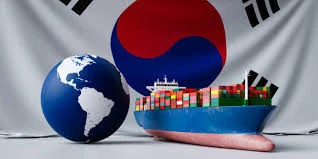
Built on strong global trade, South Korea is one of the world’s strongest economies. The country is known for its innovative advanced technology, global brands, and automobile industries, which make South Korea a leader in manufacturing and innovation. In South Korea’s economy, imports and exports play a key role in shaping its GDP and global influence.
This guide provides a comprehensive overview of South Korea imports and exports, covering everything from semiconductors and cars to crude oil and luxury goods, including its main industries and South Korea's biggest trade partners. Whether you are a student, researcher, or business professional, you’ll find detailed information about South Korea’s exports and imports and how they help the country grow.
South Korea trade statistics show that trade plays a major role in South Korea’s economy, which has a GDP of over $1.7 trillion. More than 40% of GDP comes from exports, showing how much the country relies on selling goods abroad. Because of this focus, South Korea has grown from a developing country into one of the world’s top economies in only a few decades.
Because of its dominance, South Korea plays a critical role in global semiconductor supply chains, electric vehicle manufacturing, and shipbuilding. Disruptions in Korean exports can affect industries worldwide, particularly in the United States, China, and Southeast Asia.
South Korea consistently maintains a trade surplus. The major countries empower South Korea’s international trade through automotive, semiconductors, steel, and petrochemicals. Meanwhile, South Korea imports a huge amount of raw materials, crude oil, and food to support domestic industries and customer demands. South Korea’s trade economy shows that the country is a key center for advanced manufacturing and innovation around the world.
South Korea exports data worth over USD 65.85 billion in January 2026. The region is a global manufacturing powerhouse. South Korea is a leading supplier of semiconductors, electronics, and automobiles worldwide. The country is especially strong in high-tech industries. The overall export strength has increased economic growth and allowed South Korea to build strong trade across North America, Asia, and Europe.
Following are the top Korean export categories:
South Korea is leading the global semiconductor market. Big brands such as SK Hynix and Samsung are popular companies in the whole world, based in South Korea. The biggest export is chips and electronics parts, which are essential for laptops, smartphones, and global tech industries.
Hyundai and Kia make South Korea a top player in the automotive industry exports. As a major car exporter, the country supplies reliable and cost-effective vehicles to the international market. From electric vehicles to auto parts, South Korea exports auto parts comprehensively.
By producing a large number of cargo vessels, advanced machinery, and tankers. South Korea is one of the top shipbuilding exporters in the world. Companies like Hyundai Heavy Industries (HHI) and Hanwha Ocean, previously known as DSME, have played a key role in the sector's growth since the 1970s. They still help drive its economic and national security significance today.
Steel and petrochemical trade are the major exports of South Korea. They manufacture cost-effective and durable materials that have been supplied to different industries worldwide.
Korean skincare and cosmetics are the most-selling products in the whole world. These cosmetic products have gained huge popularity. K-beauty products are exported to the US, Europe, and Asian countries, creating a strong economic and cultural impact.
Below is the list of top South Korea exports by country:
China is the biggest export partner of South Korea, importing a wide range of electronics, semiconductors, and other machinery. South Korea's trade with China is facing some changes as the trade patterns are changing, and South Korea is no longer exporting more to China than it imports.
The USA is the top buyer of semiconductors, automobiles, and beauty products from South Korea. This export strengthens South Korea–US trade relations.
Vietnam buys parts and intermediate goods from South Korea, especially electronics and machinery, to help its manufacturing industry grow.
South Korea exports cars, chemicals, and premium consumer products to countries in Europe.
South Korea trades electronics and industrial goods with Japan. Other countries, such as India and those in the Middle East, buy Korean cars and technology.
South Korea is strong in exports, but the country relies heavily on imports as well for raw materials and energy. To fuel its industries, the country imports crude oil, coal, and other resources. The rising consumer demand has also increased imports of luxury food, goods, and pharmaceutical products, which reflects the changing lifestyles. South Korea import data show a growth of 11.7% year-on-year to USD 57.1 billion in January 2026.
The Major imports of South Korea are:
Because South Korea has limited natural resources, it relies on renewable energy imports such as crude oil and petroleum products, mostly from the Middle East, to support its industries, transportation, and energy needs.
South Korea brings in advanced machinery, precision equipment, and heavy-duty tools to help its manufacturing, construction, and technology sectors stay efficient and competitive in global markets.
South Korea imports chemicals, petrochemicals, and plastics to support its electronics, textiles, and automotive industries, along with research and production in many high-tech and consumer areas.
Since there is not much farmland in South Korea, the country imports a lot of agricultural products. South Korea's agricultural imports include grains, meat, seafood, fruits, and processed foods to keep up with local demand and support its food industry.
South Korea's luxury goods imports include pharmaceuticals, medical supplies, skincare products, and luxury fashion items because of growing consumer demand, healthcare needs, and changing lifestyle trends shaped by global brands.
South Korea imports a wide range of products from around the world. If you are interested in business opportunities in markets exporting to South Korea, you can find a trusted list of South Korean importers on Tradewheel.com. Find out the South Korea imports by country:
China is South Korea’s largest trading partner and provides important goods like machinery, electronic parts, raw materials, and daily consumer products. This trade helps keep South Korea’s factories, tech companies, and local markets running smoothly.
The United States is an important trade partner for South Korea, mainly sending aircraft, heavy machinery, medical devices, and advanced technology. These exports help support Korea’s defense, infrastructure, healthcare, and technology sectors.
Saudi Arabia and other Middle Eastern countries are very important for South Korea’s energy needs because they supply most of the crude oil and petroleum products. These imports keep Korea’s factories, transportation, and manufacturing running.
Australia is a major supplier to South Korea, sending coal, iron ore, minerals, and farm products. These materials are needed for Korea’s steel making, energy, and food supply.
Japan is still an important trading partner for South Korea, supplying electronics parts, special chemicals, and precise machines. These imports are important for Korea’s chip-making, car factories, and technology industries.
The United States, China, Vietnam, Japan, and the European Union are the trade partners of South Korea. As China remains the biggest trading partner of South Korea, the US is equally important because of the high demand for Korean cars and semiconductors. Japan continues to provide essential raw materials and components, while Vietnam is rising as a strong trade hub.
With growing ties to Southeast Asia, regionally, the Asia-Pacific is the most important trading partner. Strong FTAs (Free Trade Agreements) with the US and EU help South Korea reach markets outside Asia. As trade relations change, South Korea manages both Chinese influence and American partnerships, which affect its position in global trade.
- Exports: High-tech manufactured goods
- Imports: Energy, raw materials, food
- Trade Balance: Usually surplus
There are several key trends that are shaping the South Korean trade market. The rising demand for digital technology and semiconductors makes South Korea a center of tech supply chains in the world. Meanwhile, to support its sustainability goals, South Korea is increasing its imports of renewable energy and clean technologies.
Furthermore, the global supply chain disruptions are forcing South Korea to expand its trade routes and partners. Free trade deals with the US and EU, and Trade agreements such as the RCEP in Asia, allow South Korea to access wider markets. In the upcoming years, the country’s trade future will rely on energy security, technology exports, and new opportunities in green industries.
The global trade success of South Korea depends on its capability to balance powerful exports with essential imports. The trade defines South Korea’s economy, from semiconductors and automobiles to crude oil and luxury goods. South Korea’s trade partners make the country the largest trading hub. As the world is changing, the role of South Korea in global trade will continue to grow, offering new opportunities for businesses and industries around the world.
Serving millions of Buyers & Sellers around the world
Join Free
One moment please
 Browse Through Millions of High-Quality Products.